Supreme Court: California Baker (who is a Devout Christian) Engaged in Discrimination When She Declined to Furnish a Cake for Same-Sex Couple’s Wedding
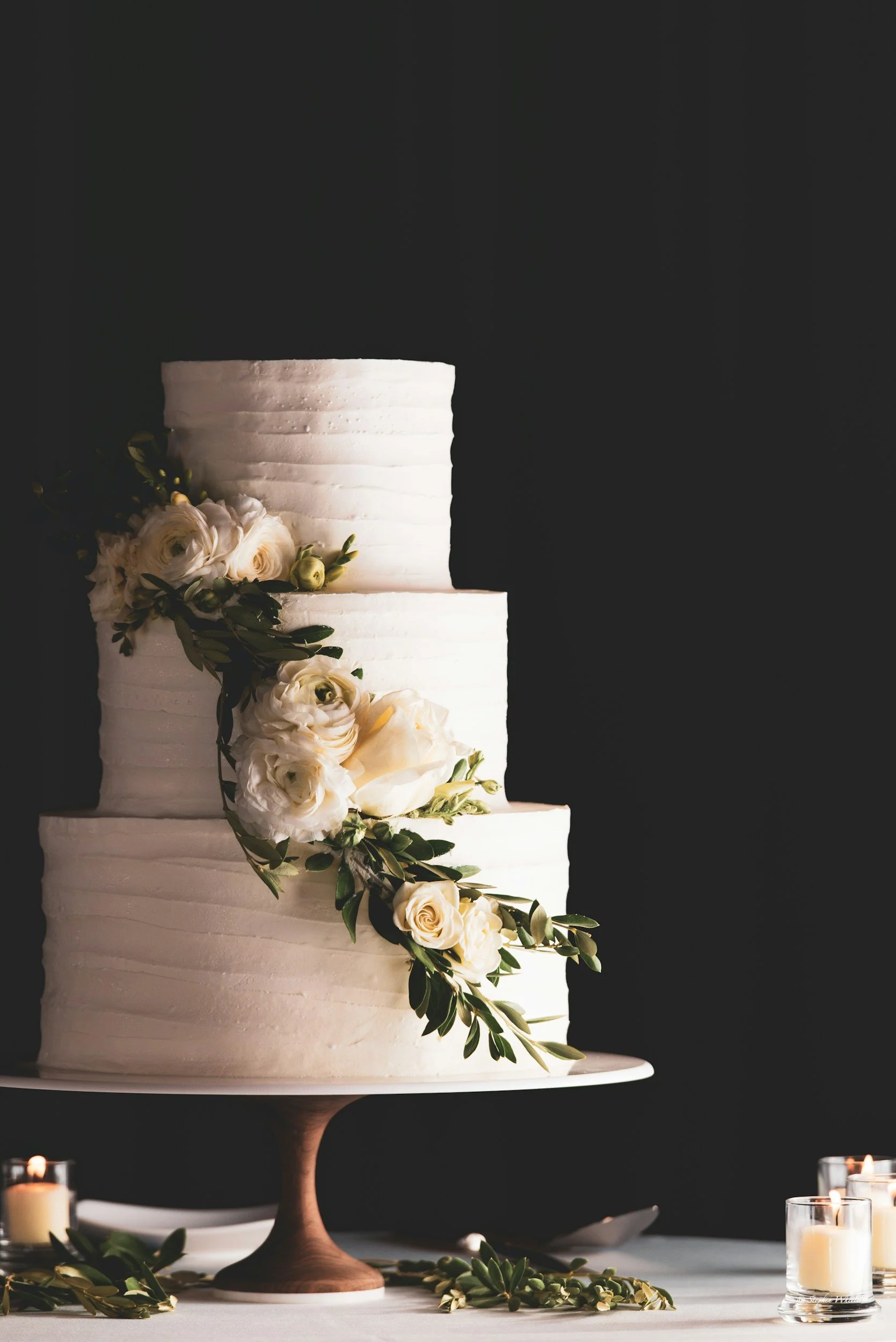
Catharine Miller owns Cathy’s Creations, Inc. and operates a small bakery in Bakersfield, California called Tastries Bakery. In 2017, a same-sex couple came into her shop seeking a cake for their upcoming wedding. The couple spoke with Ms. Miller’s employee and ordered a pre-designed plain, white three-tiered cake that is often used for varying types of celebrations- not just weddings. When the couple came back to the shop to participate in a taste test for their cake, Ms. Miller learned the cake would be served at a same-sex wedding and refused to sell the cake to the couple. Ms. Miller did so based on her beliefs as a devout Christian.
As a result, the couple filed a complaint with the state Civil Rights Department, and the Civil Rights Department chose to sue Ms. Miller in 2018. The Unruh Civil Rights Act forbids businesses from discriminating in their “accommodations, advantages, facilities, privileges, or services” based on “sex, race, color, religion, ancestry, national origin, disability, medical condition, genetic information, marital status, sexual orientation, citizenship, primary language, or immigration status.” Case law has also made it illegal to discriminate against others based on their status as a family with minor children or as an elderly person. Ms. Miller asserted a defense claiming that she was exercising her right to free speech and free exercise of religion as allowed under the First Amendment of the U.S. Constitution. Ms. Miller informed the court that “wedding cakes must not contradict God’s sacrament of marriage between a man and a woman.”
The trial court initially held that Ms. Miller’s policy did not violate California’s Unruh Civil Rights Act because the policy applies to all customers and cited to the fact that Ms. Miller referred the couple to another bakery that has previously made cakes for same-sex couples. The Civil Rights Department chose to appeal.
The appeals court disagreed with the trial court and held that Ms. Miller’s policy was not neutral because it only applies to customers on the basis of their sexual orientation. Further, the appeals court clarified that Ms. Miller creating a plain white cake that was used for various occasions and had no writing or decorations does not mean Ms. Miller was being forced to express support for same-sex marriage. The court emphasized that to hold that a plain white cake forces a Christian to support non-Christian values would be unreasonably broad. In other words, the appellate court stated that Ms. Miller’s refusal to make cakes for same-sex weddings was in fact discrimination on the basis of sexual orientation in violation of the state’s Unruh Civil Rights Act.
The California Supreme Court affirmed this ruling. Ms. Miller then appealed to the U.S. Supreme Court. In December of 2025, the U.S. Supreme Court declined to hear Ms. Miller’s case, which means the appellate court’s ruling stands: Ms. Miller engaged in discrimination by declining to furnish a “generic” cake for a same-sex wedding.
This outcome should cause California business owners to pause and re-consider any policies they may have or considered having regarding their own rights to free speech and freedom of religion. California business owners do not have a broad right to free speech and freedom of religion. In fact, refusing to do business with same-sex couples at all may be seen as discriminatory and in direct violation of the California Unruh Civil Rights Act.