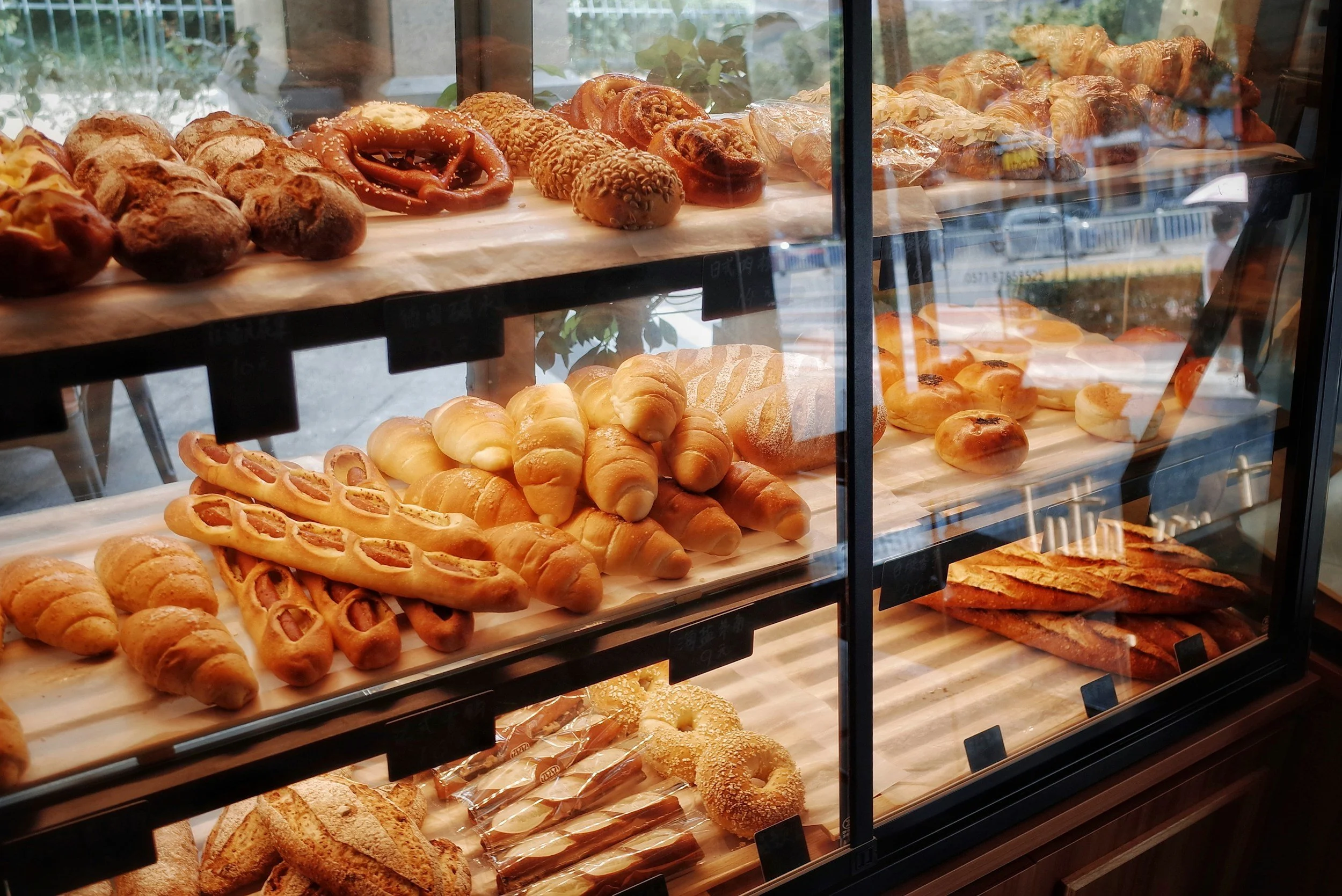
After some confusion regarding the new $20 fast food minimum wage law, California created some last minute exemptions to help clarify which restaurants are required to pay the new minimum wage. However, the last minute exemptions are narrowly tailored, and the new minimum wage likely applies to most fast food restaurants in California. On a practical level, these narrow exemptions will likely have little impact on the cost of labor for employers. For example, if workers are doing the same jobs at both an airport McDonald’s and a stand-alone McDonald’s, there is little incentive for the workers to continue to work at the airport for less pay. Clearly, a pay increase will likely occur across all facets of the fast food industry.
Read MoreMost people are aware of California’s new $20 fast food minimum wage, but some are uncertain whether or not the minimum wage increase applies to their particular restaurant or shop- especially in light of the last minute exemptions signed into law. The phrases “fast food restaurant employee,’ “limited-service restaurant,” and “establishment” are defined in the new law. It is important to be certain whether or not your restaurant is required to pay broadly reaching $20 minimum wage or if you may fall into an exemption, which is discussed in a later blog.
Read More
Beginning this July, California bars and nightclubs must now add “drug testing devices” to their regular inventory. If you own a bar or nightclub, you likely have a Type 48 liquor license, which is one of the most highly sought after, most expensive, and difficult liquor licenses to obtain. As a result, it is no surprise that California is now imposing yet another requirement on these licensees. Any licensee that is applying for a new Type 48 liquor license or currently holds on existing Type 48 liquor license is required to offer for sale at a reasonable price or provide for free a drug testing device.
Read MoreCalifornia has enacted a new law that creates a “selective” minimum wage by creating a minimum wage only for fast food workers. In the span of less than seven months, California fast food workers will receive a $4.50 per hour pay increase. In January of 2024, all other California employees working for minimum wage will receive a pay increase of a mere $0.50 per hour. Fast food employees are clearly receiving a windfall, and fast food employers will now be forced to deal with added rules, regulation, and oversight due to the creation of the fast food council.
Read MoreUPDATE: Governor Newsom recently vetoed California Senate Bill 799, which would have provided unemployment benefits to employees who were not laid off and, instead, were choosing to go on strike.
Read MoreCalifornia employers, beware! On October 4, 2023, Governor Newsom signed Senate Bill 616 into law which requires employers to increase the number of mandatory paid sick days from 3 to 5 days. This new law will go into effect on January 1, 2024.
Read More